When I see an animal hurt or dying, I am very much a 22-year-old girl, a 22-year-old-girl who looks away when the predator finally catches up to the prey on Planet Earth. After the animal is dead, however, my scientific side comes out.
My tent in camp is right next to the temporary graveyard and until now, my only neighbor was an unknown female who died in April, before I arrived. Obviously, I didn’t – I don’t – want any of the individuals I’ve been spending time with to die. But an unknown? Ehhh, we can handle that. Plus, part of me hoped I would get to see the process that happens when a baboon dies during during my five months.
While many researchers involved in the Amboseli Baboon Research Project study the behavior and health of living baboons, there are others who focus on what we can’t see while the animal is alive. Whenever a baboon body is found in our area, we recover it and bury it in camp so those scientists can look at the bones further down the road.
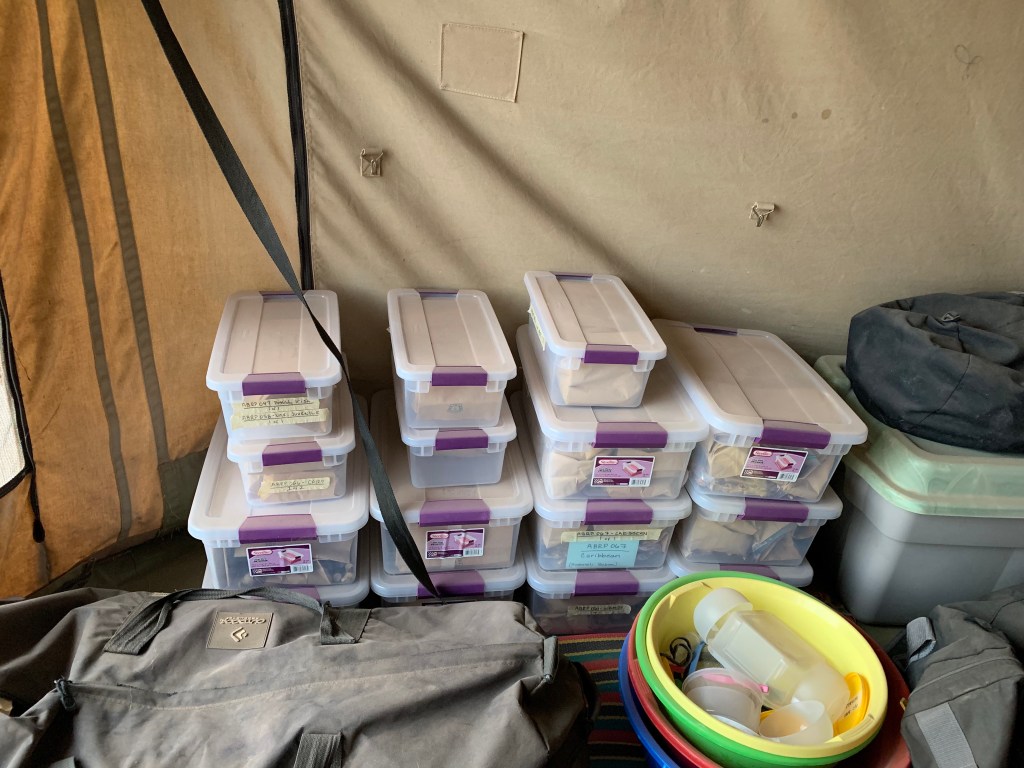
Today when we were out in the field, one of the Maasai scouts employed by the project came over to tell us where we could find a dead baboon. These scouts live and graze cattle in the area, and while they’re at it, help mitigate human/baboon conflict and let us know if anything is happening to our animals. We wrapped up what we were doing, cut our day short and went to track down a body.
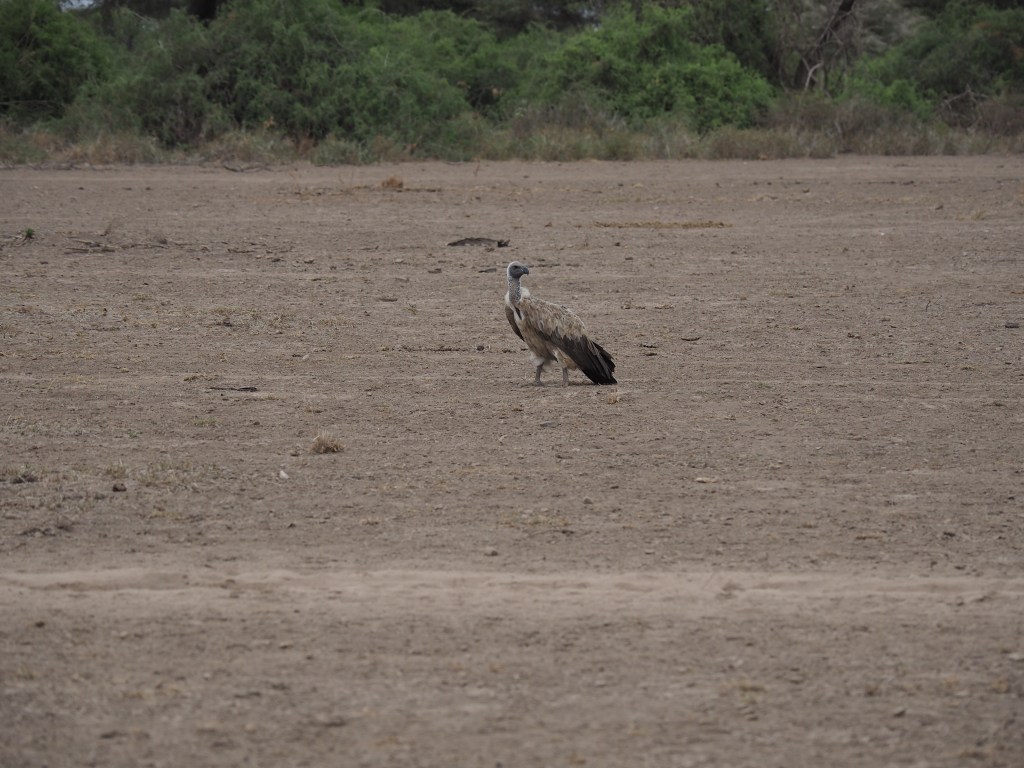
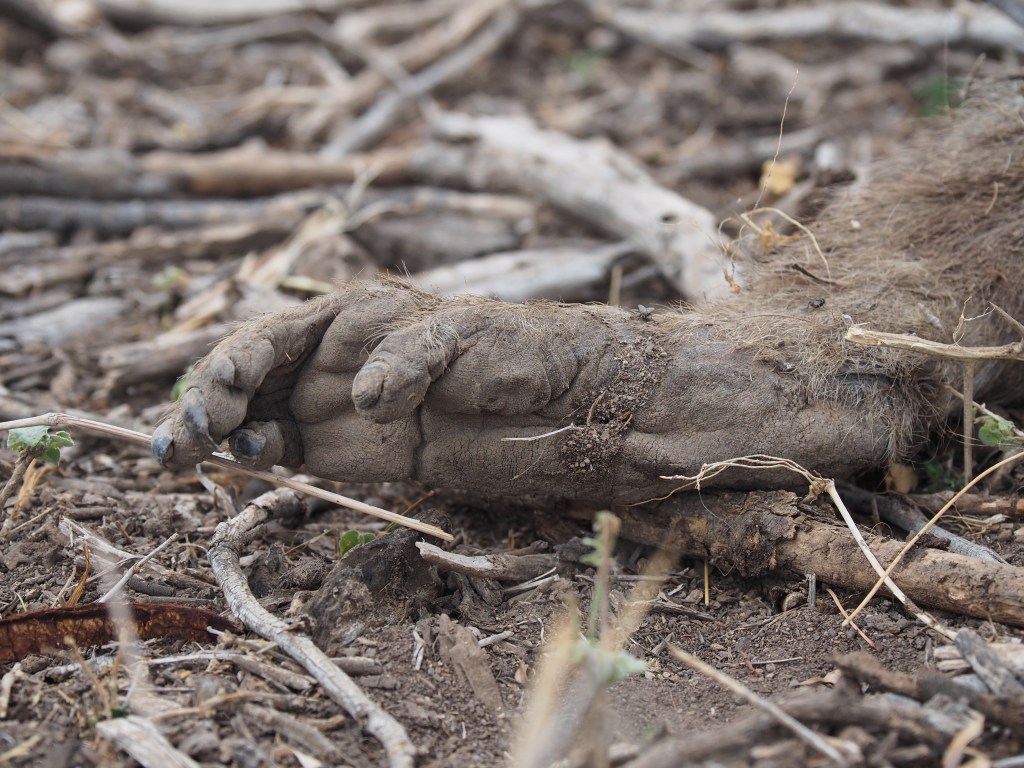
Walking up to a dead animal that has been out in the sun smells exactly like you would think walking up to a dead animal that has been out in the sun would smell like. This baboon had clearly been eaten, and likely killed, by something like a hyena, common in the area. The hyena had eaten a lot of the baboon, leaving us with skin still on the arms, head, tail and one leg. Enough for Kinyua, the head observer out with us today, to determine it was an older male. Tails are a distinctive baboon identification tool and his best guess was a baboon named Ganja. This particular baboon had most recently lived with a group we don’t follow but had stopped by one of our study groups in the past, earning him his name. My photogrammetry skills have made me head field photographer, so I got to take crime scene pictures.
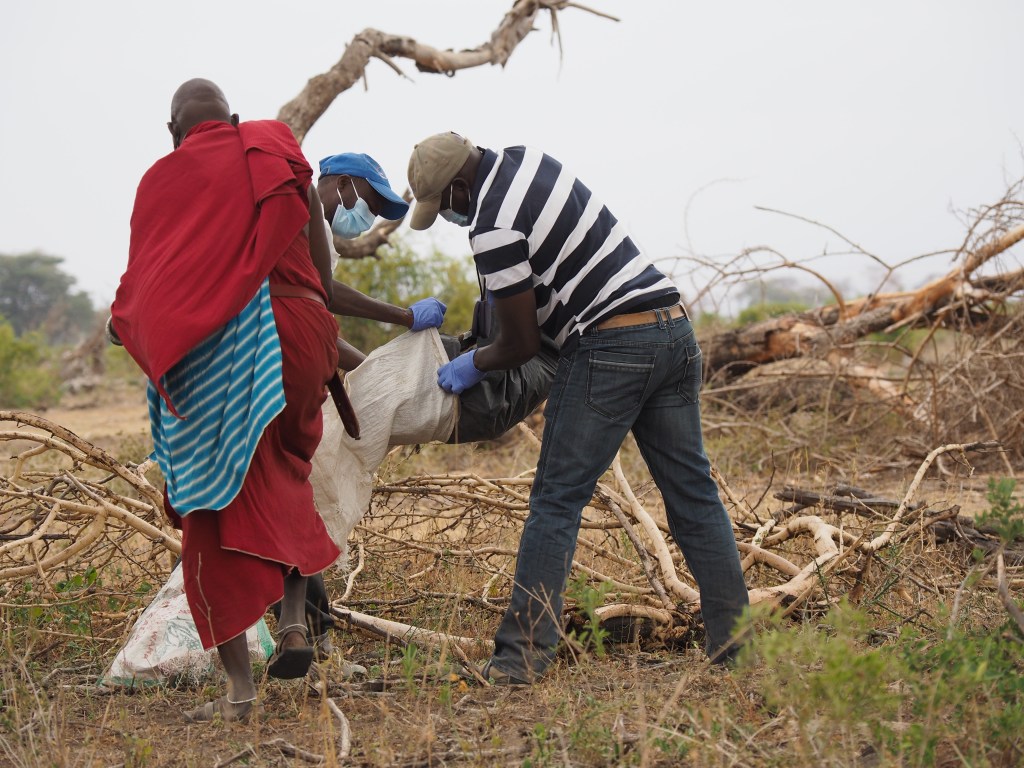
Then the fun began. Gideon (our driver), Kinyua, and the scout who found the body wrapped it up in old grain bags and plopped it right on top of our car, leaving Chelsea and I out of the action.
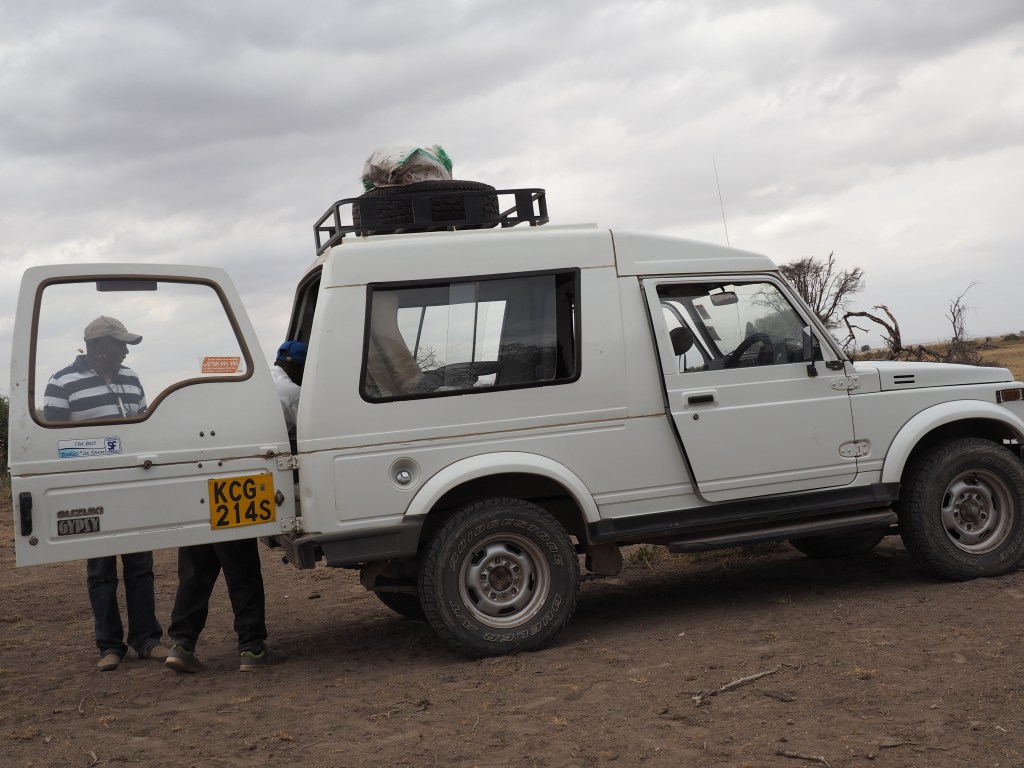
When we got back to camp, Chelsea labeled sample tubes for skin, muscle, and hair and I was once again called on to photograph the body.
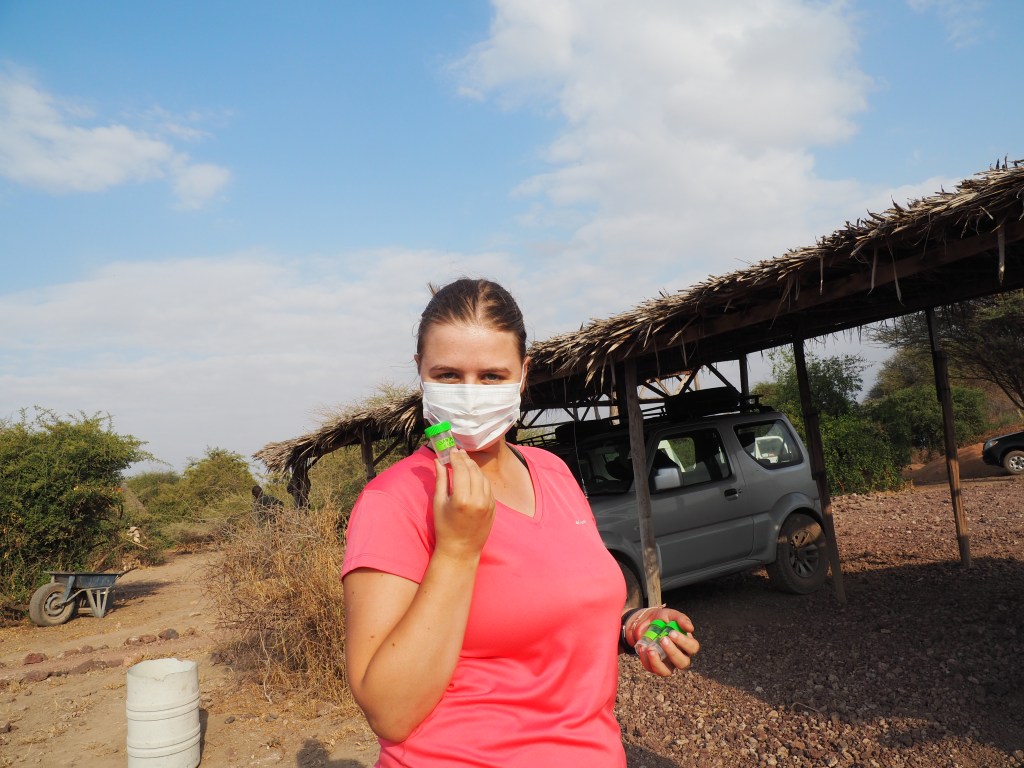
After samples and photos were taken, the body was wrapped up in mesh netting which lets insects clean the bones but keeps them in one spot. His hands and feet were wrapped in small drawstring bags, so the tiny bones don’t disappear when it comes time to reassemble them a year from now. While we were on our way back, camp staff had been hard at work digging a hole in the dry dirt. Ganja was plopped down and we got to work filling it in.
While the observers are freakishly good at identifying live baboons, even they struggle when it’s not all there. Luckily, there is a whole genetic database that should be able to check and confirm this is Ganja. For now, the grave gets a question mark
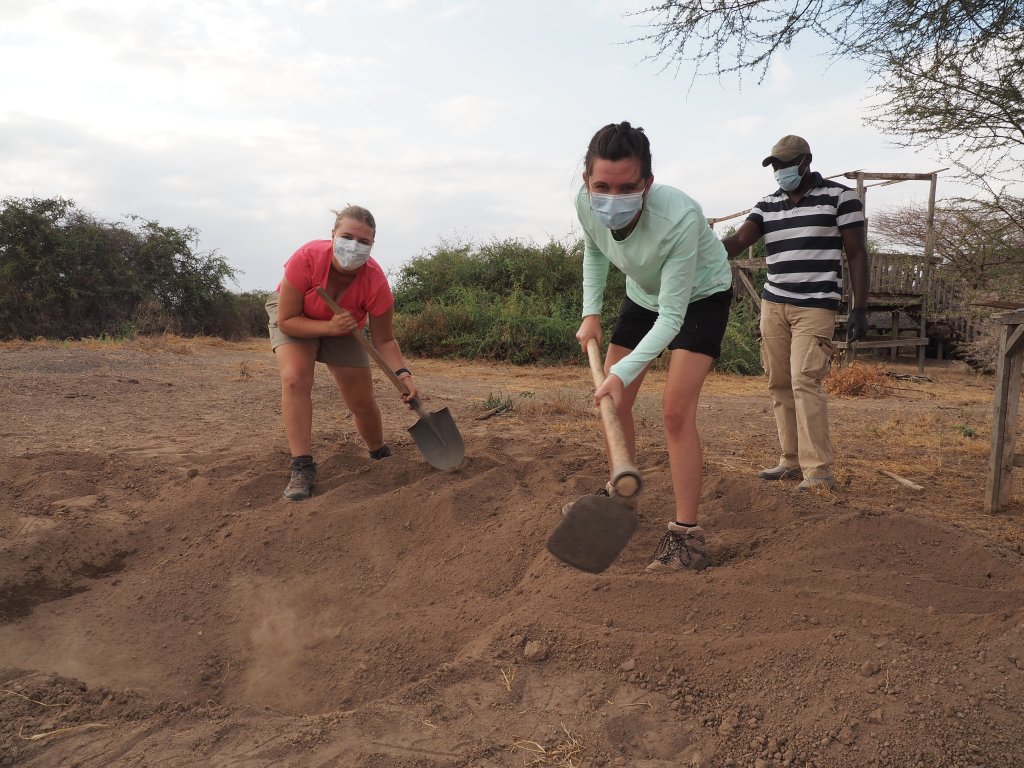
If you had told me at the beginning of my senior fall semester that at this time next year, I would be burying a wild baboon in a camp in Kenya, I would have thought you were crazy.
Now it’s just another field day.


 Anna in Amboseli
Very interesting. I hope Mrs. Durham is following your blog. I remember her asking if she could dig up the owl you and dad buried years ago to recover the bones. Scientists are all alike!
LikeLike