Today’s morning in the field was an exciting one, but also pretty terrible. Instead of spending time taking photogrammetry pictures, I spent my day encountering problems I had only considered distantly and never expected to see first-hand. Since I can’t go out and change them right now, I might as well write about them.
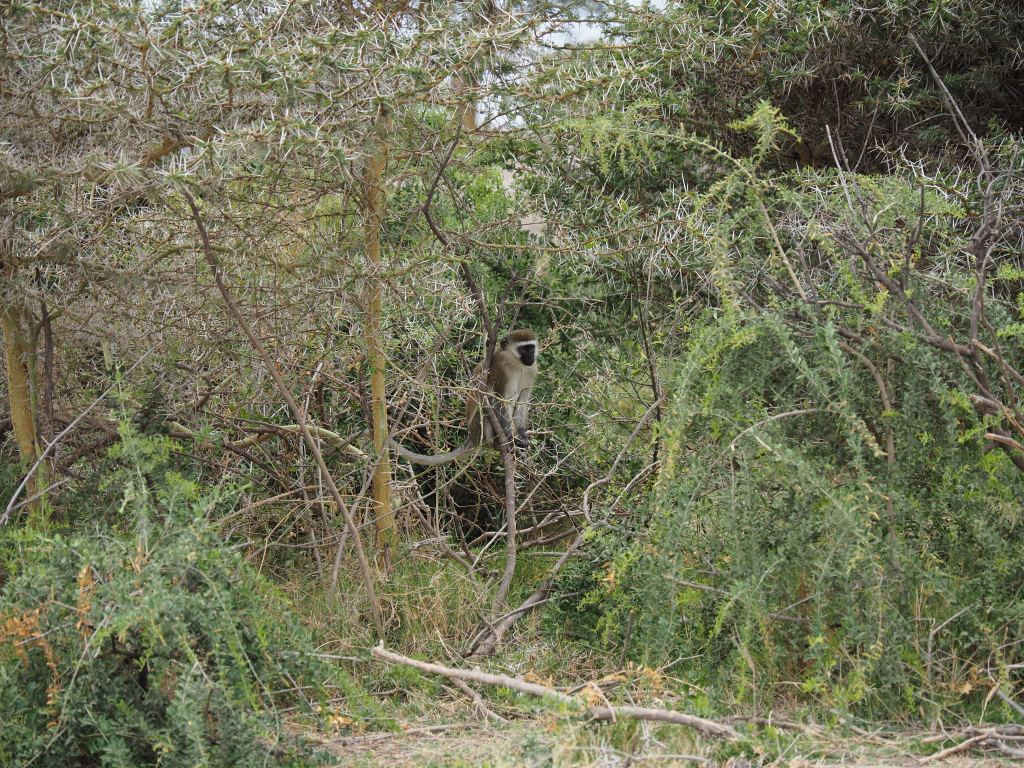
When we started our day, we were warned that there was a vervet monkey in the area that had been recently released into the wild after a time in a captive facility. While wild reintroduction of orphaned animals is possible, it is incredibly difficult as the animals become reliant on humans for food and companionship. Sure enough, less than an hour into our day, a vervet jumped up onto our car with us right next to it. Since vervets are considered nuisance animals and are frequently chased off by humans, we knew this was no wild monkey. We rolled up the windows of our car to keep it away from our food, chased it out of our area and continued the day.
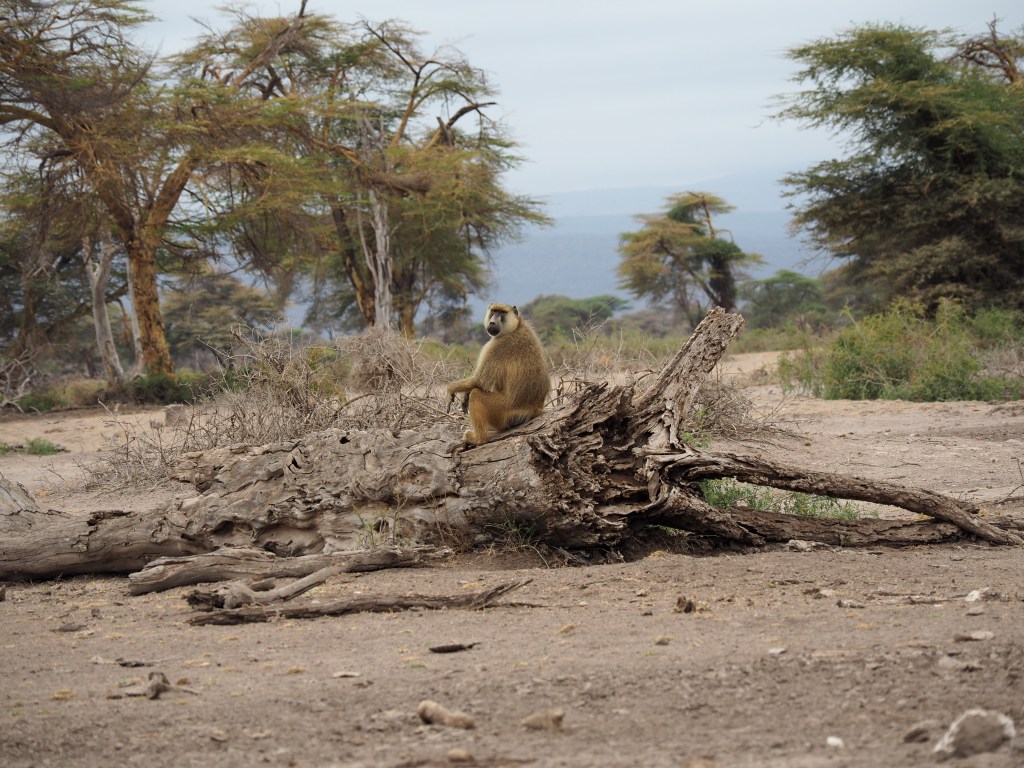
As we followed our baboons, we noticed an unknown male was trying to join the group. This male hadn’t been seen in any of our study groups and I was enlisted to photograph it. I approached it, taking pictures from far away since non-study group animals run away from strangers. Or at least, they are supposed to. This was not the case with this healthy-looking male. I was able to get just as close to him as many of my usual females.
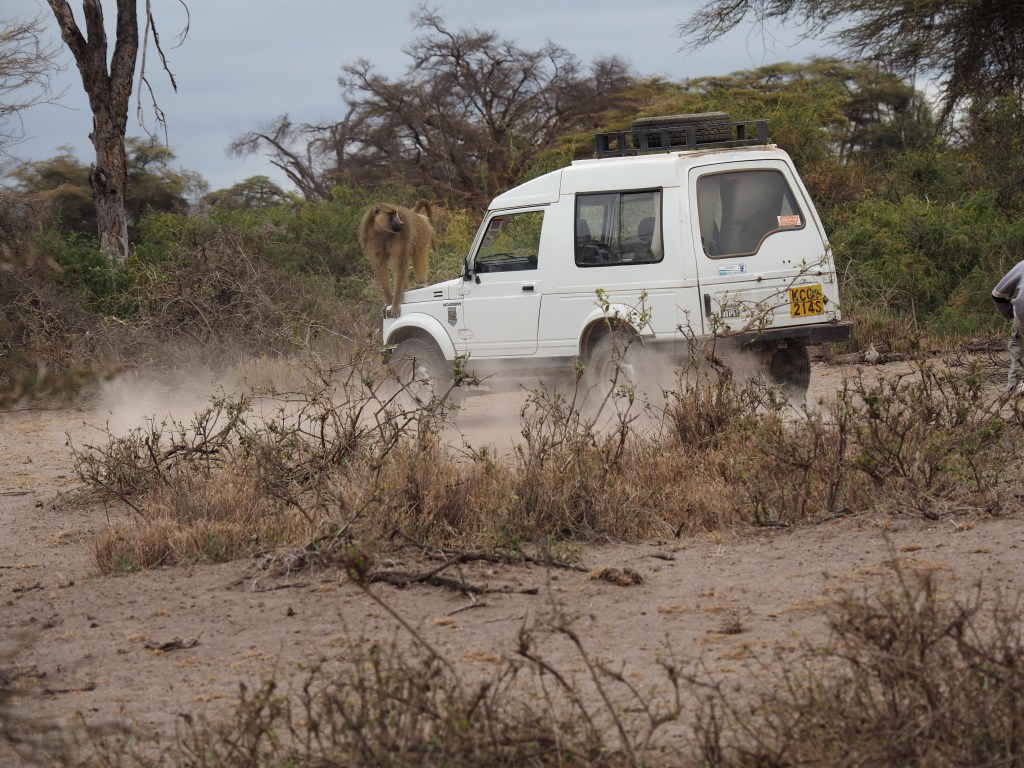
At this point, we were pretty sure that those people who told us they had released a single captive vervet monkey were not telling us the full story. This was confirmed when the baboon jumped up on the car and made an attempt to charge at our driver when he went to chase it away. When I first started working out here, I asked what I should do if a baboon charged me. They laughed and said, “our baboons don’t charge humans”.
By the time we left the group, the rogue male was still lingering on the periphery of it. This animal is now dangerously used to people from his life in captivity, a story that plays out for so many exotic animals raised as pets. While we don’t know for sure this was his life, keeping a baboon as a pet wouldn’t actually be illegal in the United States and when it got to this size and level of aggression, there would be no where for it to go. This is why so many conservation groups try to discourage the purchase before anyone gets attached to a cute baby face.
On the surface, this baboon has it far better than those still stuck in someone’s home or backyard enclosure. He was fed more than he likely would have eaten in the wild, making him the largest, healthiest animal in the group and now has a chance of establishing himself as a breeding male. If he can’t assimilate, however…well, the lifespan of a solo baboon is not a long one. In addition, if he continues to approach people when he is with a group, he puts all of their lives at risk. We have seen it happen in our own study population: if a baboon goes somewhere people don’t want it, it is frequently killed. If it eats livestock or becomes dangerous, it isn’t the only baboon that is hunted down.
After starting my day thinking about the primate pet trade, I expected it to get better. Having conversations in the car about exotic animal trafficking and the lack of laws across most of the US that allow it to continue lead me to a conversation about stray and feral domestic animals and the destruction they cause. Like we had spoken them into existence, two stray dogs came trotting through the savannah. While they are fully capable of hunting down baboons, they had their eyes on a bigger target, a baby giraffe.
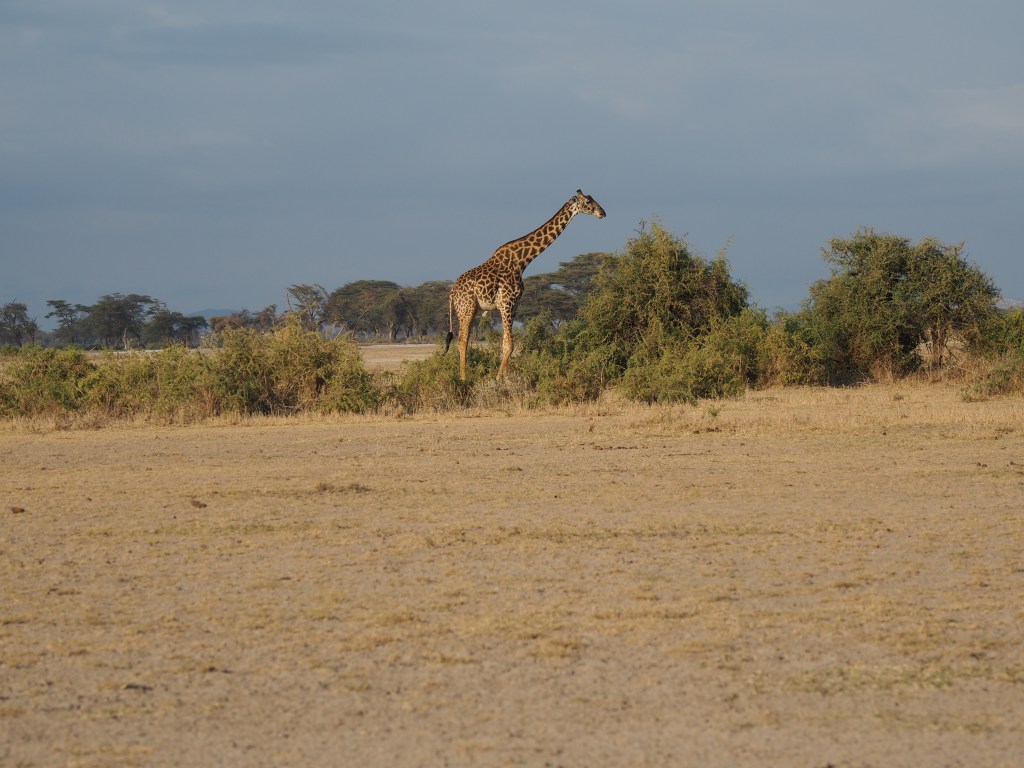
As mentioned in an earlier post, I have no tolerance for animal death. But at least when watching a lion pride work together to take down prey, you get to see cool predators. Dogs that have no place in the wild killing a newborn endangered animal is a no-win situation.
We watched for a few minutes as the mother giraffe tried to kick at the dogs and keep her baby crowded under her. These dogs were fast, avoiding the giant hooves and persistent, catching up over and over again. When they got the baby on the ground, I stopped watching. The baby did get away, though as I am writing this, I was told an hour later they were still circling. Who has more patience, the predator or the prey?
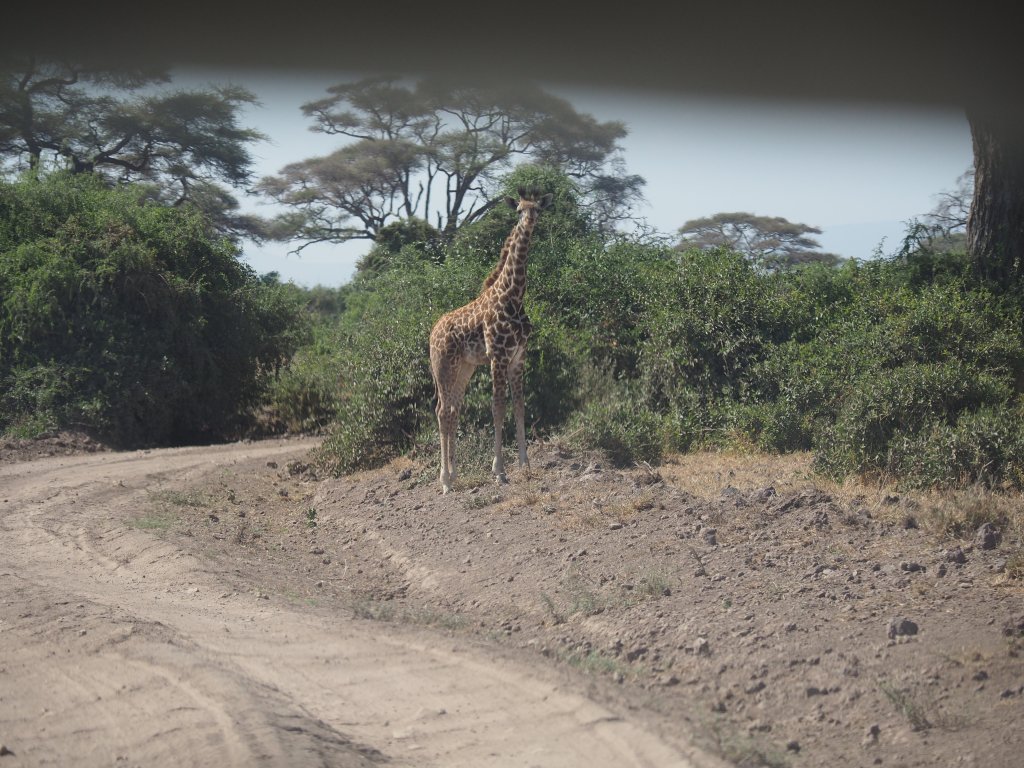
This is another issue with no easy solution. Keeping dogs as livestock guardians is a successful conservation option. If there are dogs, there are fewer predator attacks which means fewer predators are killed in retaliation. The key emphasis in keeping dogs with livestock is that they should stay with livestock. For them to be able to roam free and hunt down endangered animals? That’s helping no one.
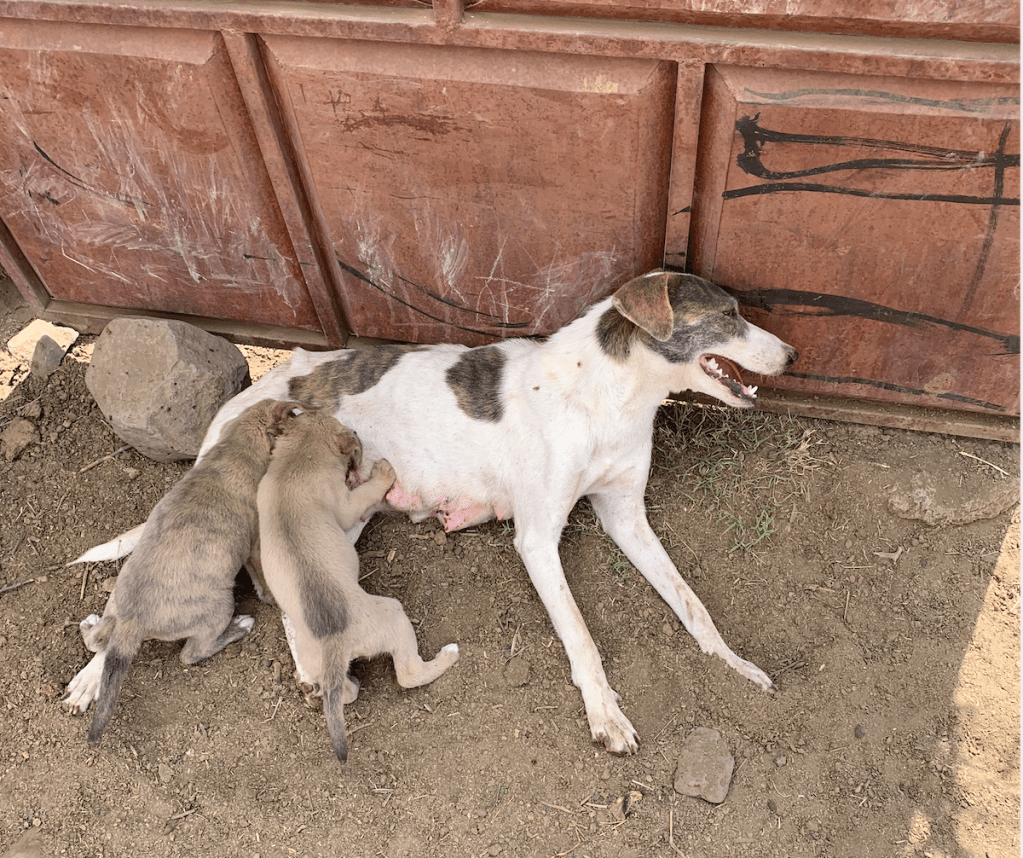
Life out here is difficult to deal with sometimes, both for the animals trying to stay alive and for myself trying to deal with when they don’t. While I am embracing the highs that come with spending so much time in nature, it has also forced me to come face-to-face with issues I’ve only thought about abstractly. It is hard to handle the fact that, even in this remote protected area, humans have made choices that have harmed it and there is nothing I can do to make it better. But I will watch. I will photograph. And I will try.
 Anna in Amboseli