There are six social groups of baboons observed by the ABRP. To make it easier on myself to learn how to identify each individual and to make it easier for the animals to recognize me, I have spent the first half of my time here with three groups and will switch over to the other three in October. To celebrate/mourn this transition, I thought I’d do a little profile of each of my groups. Obviously, I am incredibly biased with my favorite groups and individuals within but luckily have a project that isn’t hurt by that, so I don’t have to pretend to be neutral.
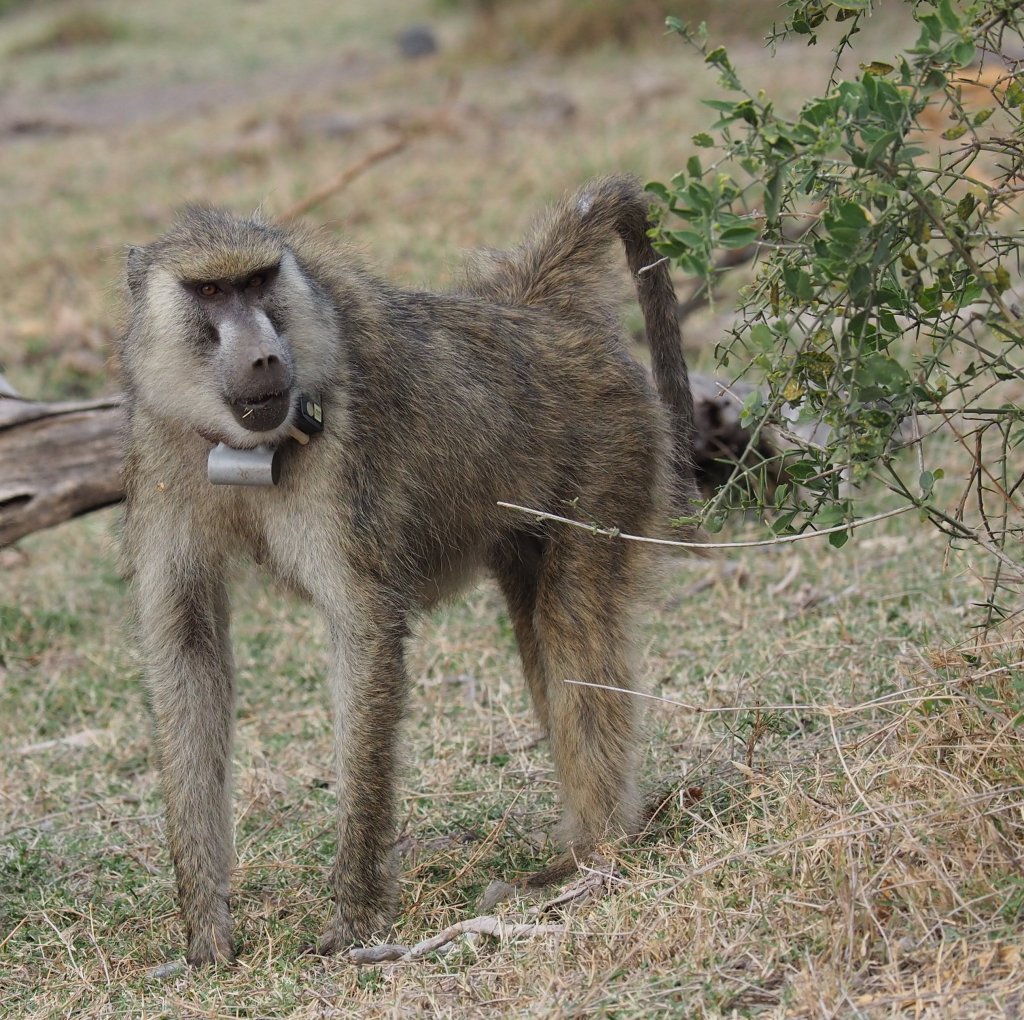
Each group of baboons is made up of matrilines, daughters stay with the group they are born into and adorable social bonds are formed between adult sisters, their mothers and their youngest children. Males are a little more flexible and will migrate between groups every five or so years. These family units give each group some of its personality and, in some cases, family resemblance leads to groups having some physical characteristics in common as well.
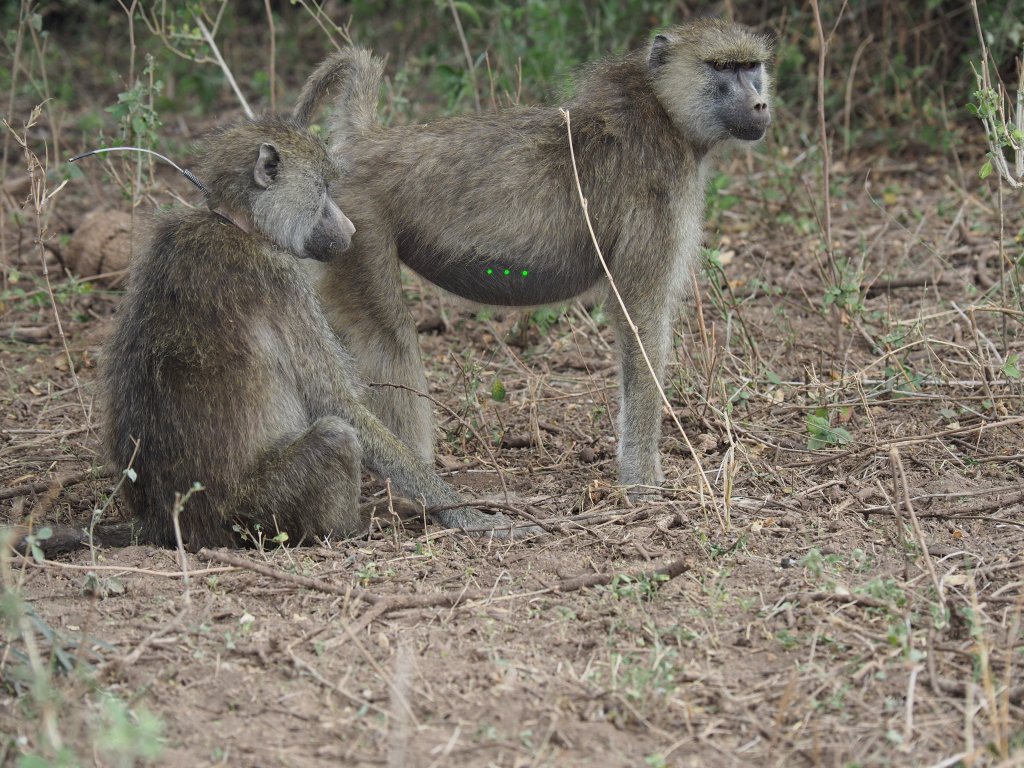
A female’s dominance rank is determined by her mother’s (and according to my senior thesis, not at all influenced by her size). Some matrilines are very highly ranking, and others get beat up all of the time. It’s a hard world out here!
Each group is named after whoever the dominate female was at the time the group was formed. When groups get too big, they fission into two groups and ranks have to be sorted out during the process. A low-ranking individual can jump into the smaller section of the former group and suddenly find herself at the top.
On the flipside, being highly ranked at one point in your life doesn’t mean you’ll be there forever. Of the six groups, only one is still named after the current top-ranking female. (As a side note, every adult male is higher ranking than every adult female. They are about 2/3 times larger and will always win when it comes to fights over food or space. Since my project doesn’t involve adult males, they are basically ~irrelevant~ to me.)
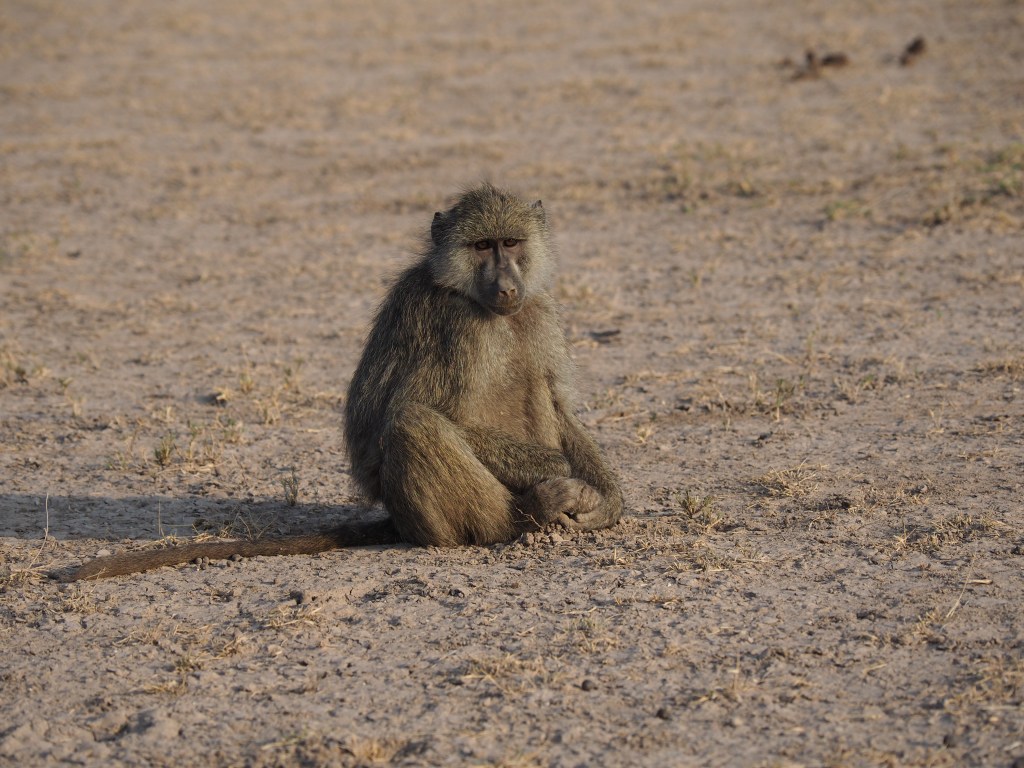
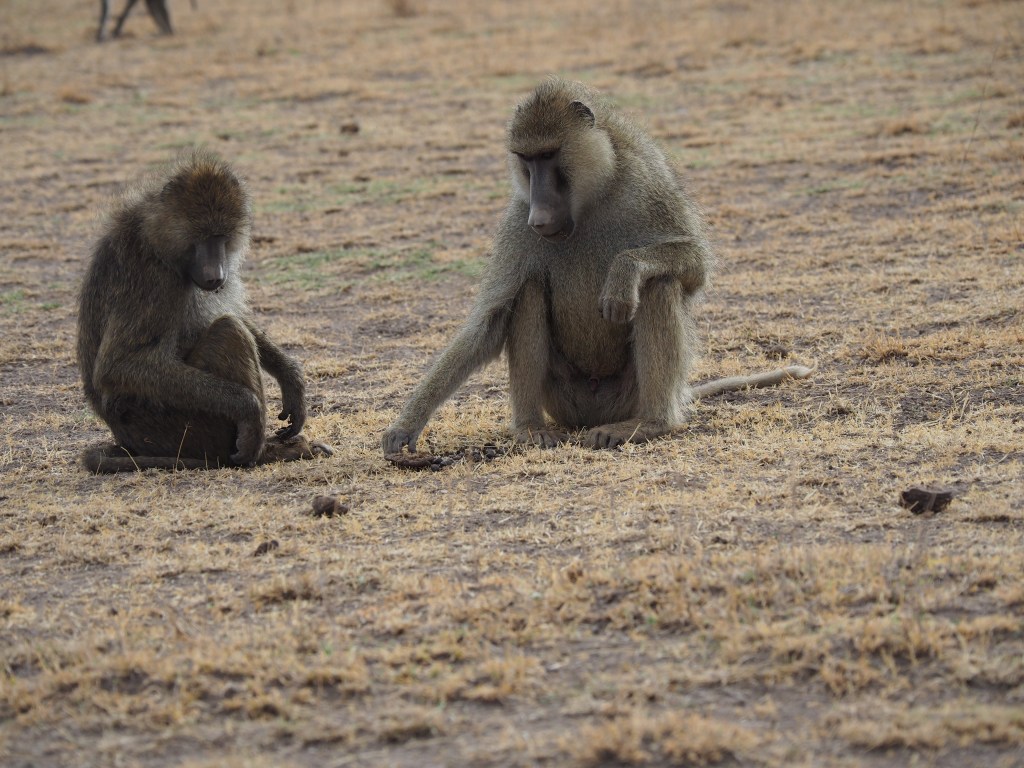
Acacia’s Group
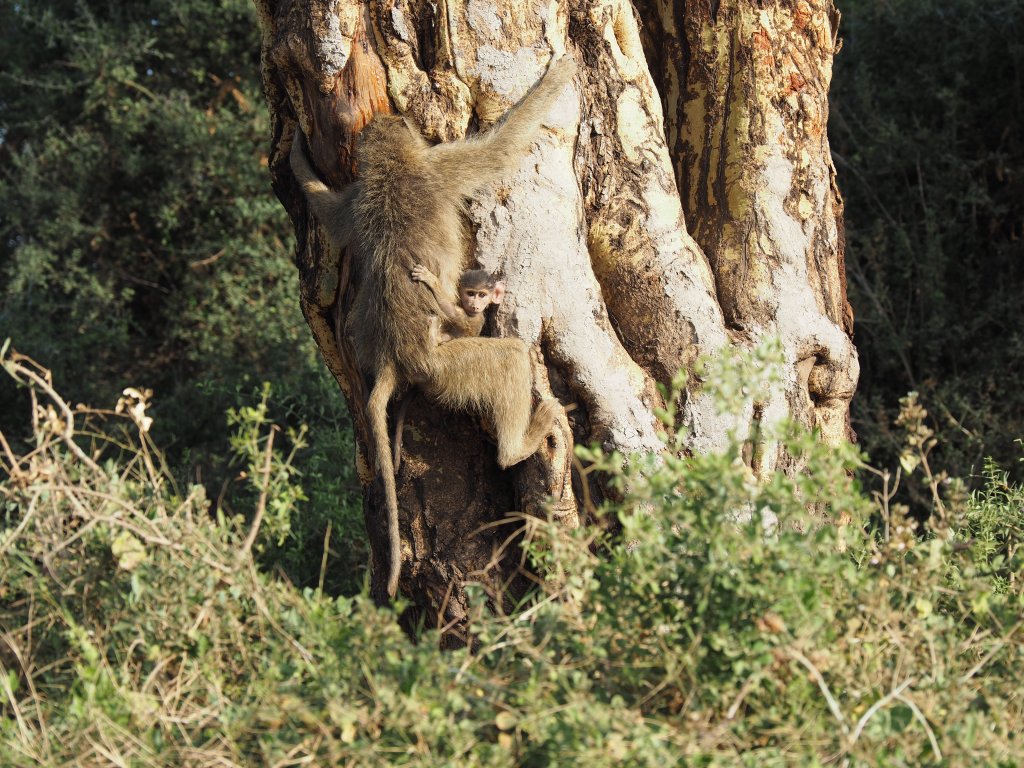
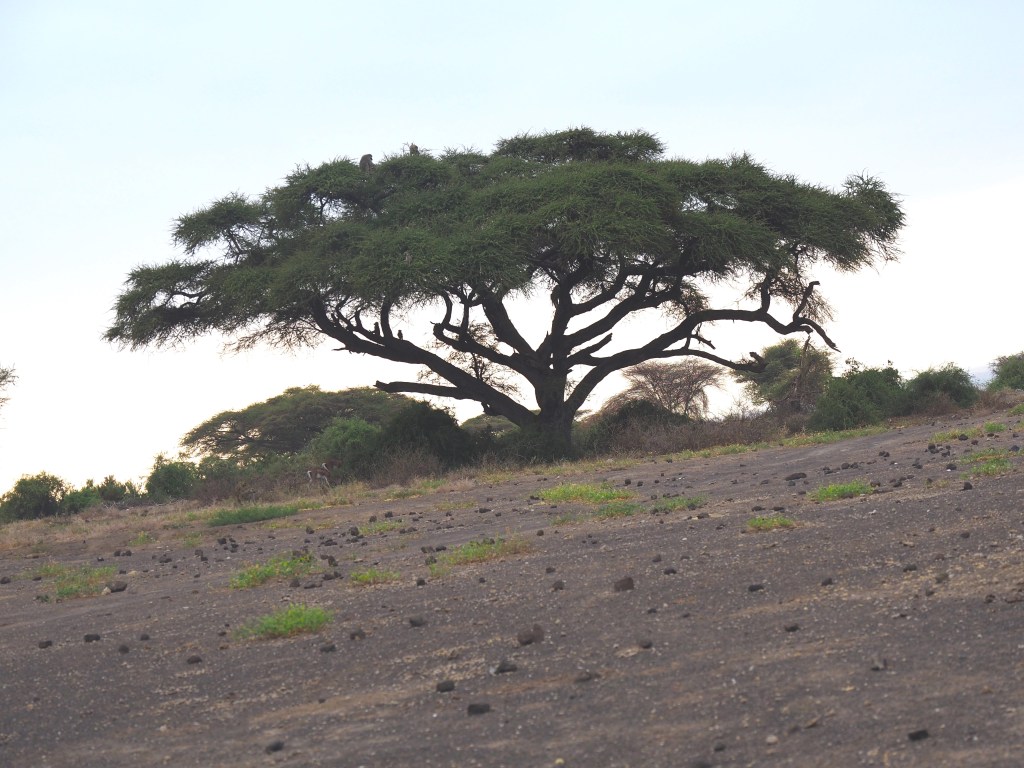
Acacia’s is the group I have the most pictures of. They tend to spend lots of time in open areas and don’t move too much throughout the day, going from a grove of trees, to a single tree, to the open savanna and back to the trees to sleep. That makes it super easy for me to follow individuals and (hopefully) position myself in a good spot to get the shots I need. Despite that, they aren’t my favorite group. Due to a combination of schedule issues and other groups being uncooperative, I had to spend four days in a row with these girls and got very tired of seeing them every day, bumping them down on my list.
Fun fact: They seem to have a favorite single tortalis tree and for weeks, would spend at least some portion of the day up eating it’s seed pods. Somehow this one tree can fit all 50 members of the group and while they are up there, no science or photography can happen. We would just sit in the car and wait for them to come down or go home all together.
Not-so-fun fact: The only group named after an individual who has died. Her daughters still run the show though!
Favorite animals in Acacia’s
Taka
Apple and Kopa
Dibble’s Group
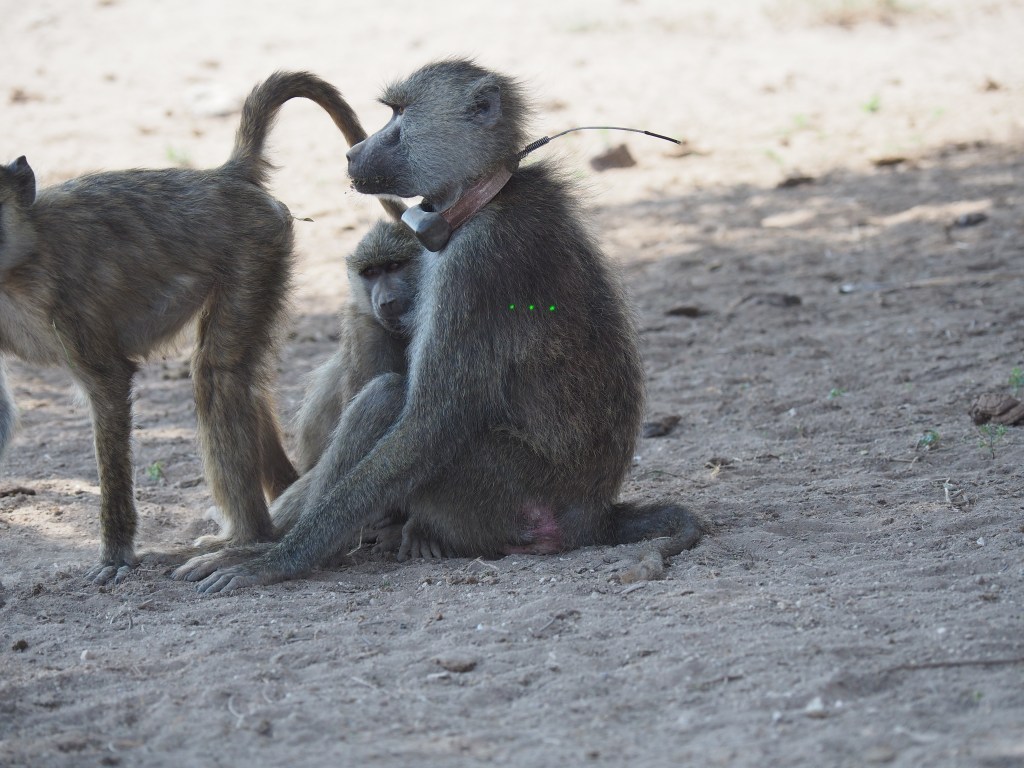
These girls have been my favorite baboon group long before I ever saw them in person. For whatever reason (walking too much? genetics? low food quality in their home range?) the females in Dibble’s tend to have long limbs, lean bodies, and thin fur. While this makes an odd-looking animal, they are the easiest to measure. Last winter when measuring baboons was all I did, they stood out.
Unfortunately, they are considered the most frustrating group to study. They often bump into other groups and get pushed out of spaces and they spread out a lot. Since it takes so much of the observers’ time to find and census them, they project is likely going to drop them as an observed group in the next month or so. They have some pretty shy individuals who will not be sad to see us go, but I will be.
Fun fact: This group was the first to be ok with me getting close enough to them to photograph, even though they tend to have the most problems with new people. The observers said it was “weird”. As my friend Lexi put it, “you have the same nervous energy as the baboons. They can sense it”.
Not-so-fun fact: A few years ago, one of the males in this group killed and ate a goat. The villagers it belonged to retaliated by killing half of the baboons. While the numbers in the population have recovered, the fear has not gone away. When Dibble’s group sees or hears Maasai, they are out of there. This makes it hard to follow them but they are the only group I don’t get annoyed with for running away. They’ve earned it.
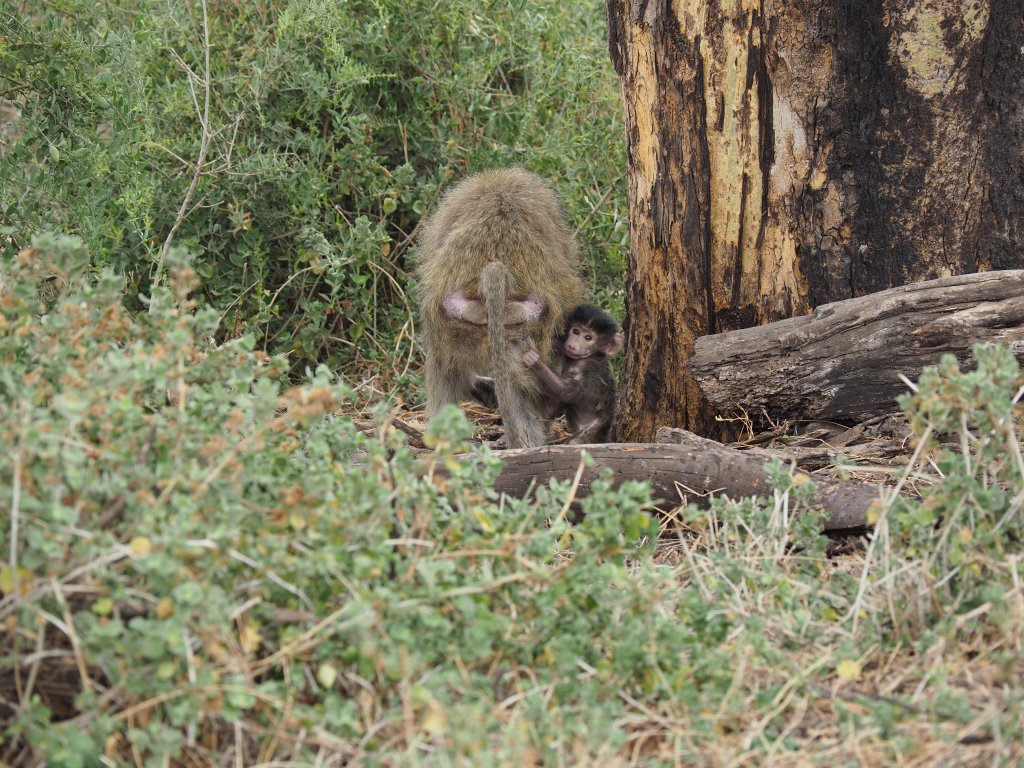
Favorite animals in Dibble’s
Eclipse
Eponine
Narasha’s Group
A whole host of factors has combined to make Narasha’s group my #1 enemy. Maybe it’s because they are always fighting with each other and being around them is loud and stressful. Maybe it’s because it came down to Narasha’s vs. Dibble’s for who would be dropped and my favorite girls lost. Maybe it’s because Narasha’s is supposed to be the most habituated to humans and they just hate me personally.
In theory, this is a really cool group. They have very strong males and bulky females and can push other groups out of their way. They spend a lot of time in lava rocks left over from Kilimanjaro’s last eruption which means they eat a lot of bugs and I get to spend time in a really unique ecosystem. Yet somehow…
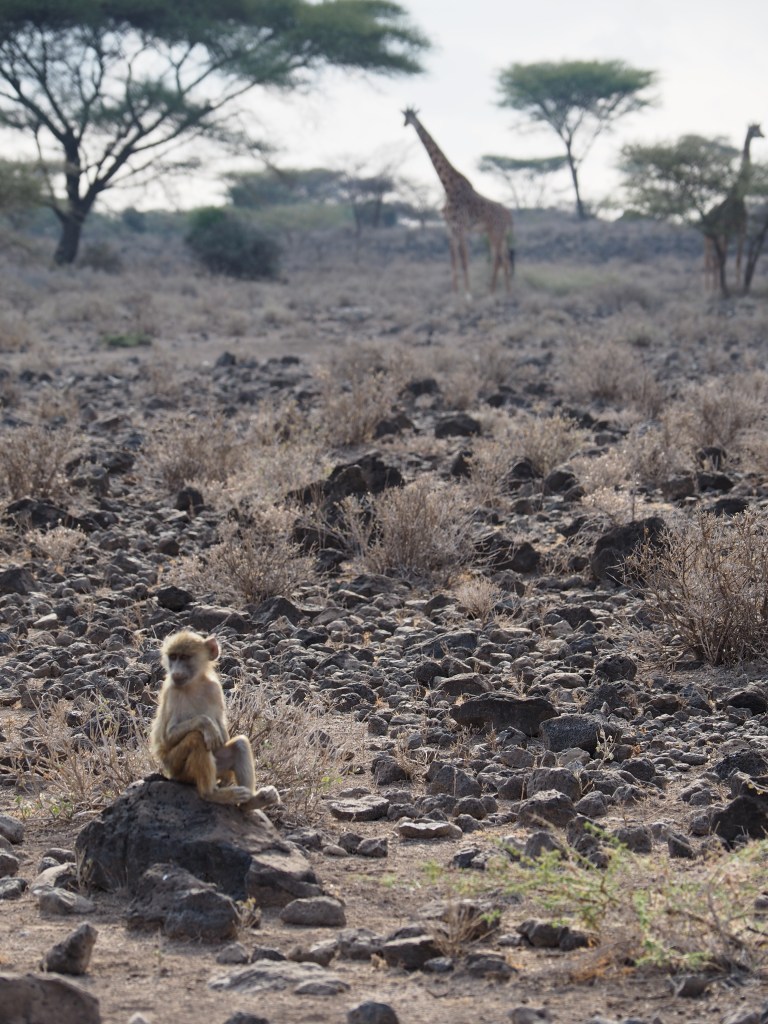
Fun fact: Narasha’s group has the two longest females in the population based on the pictures we measured last year. Narasha herself looks like the strongest, healthiest female around so she got to wear a heavier GPS collar that measured her movements in 3 dimensions and how quickly she made them. (Side note: recovering that collar was my worst day in Amboseli but that is a story for another day entirely.)
Not-so-fun fact: When they go up in the lava rocks, we usually have to stop following them because the vehicles can’t drive on them. No vehicles means that if an elephant decides he doesn’t want us there, we don’t have a way to escape. The base of the rock hill is an elephant highway which makes it too risky most days.
Favorite animals in Narasha’s
Wudu and Wiper
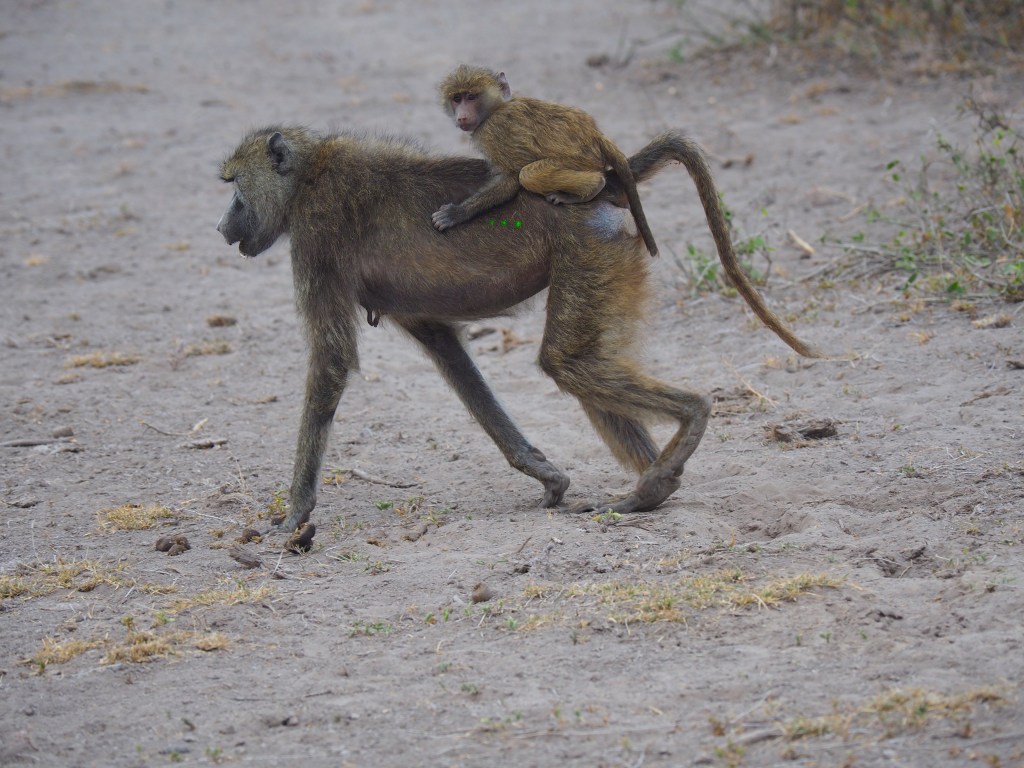
Kokoi
 Anna in Amboseli